
Fill out the form above to download this report!
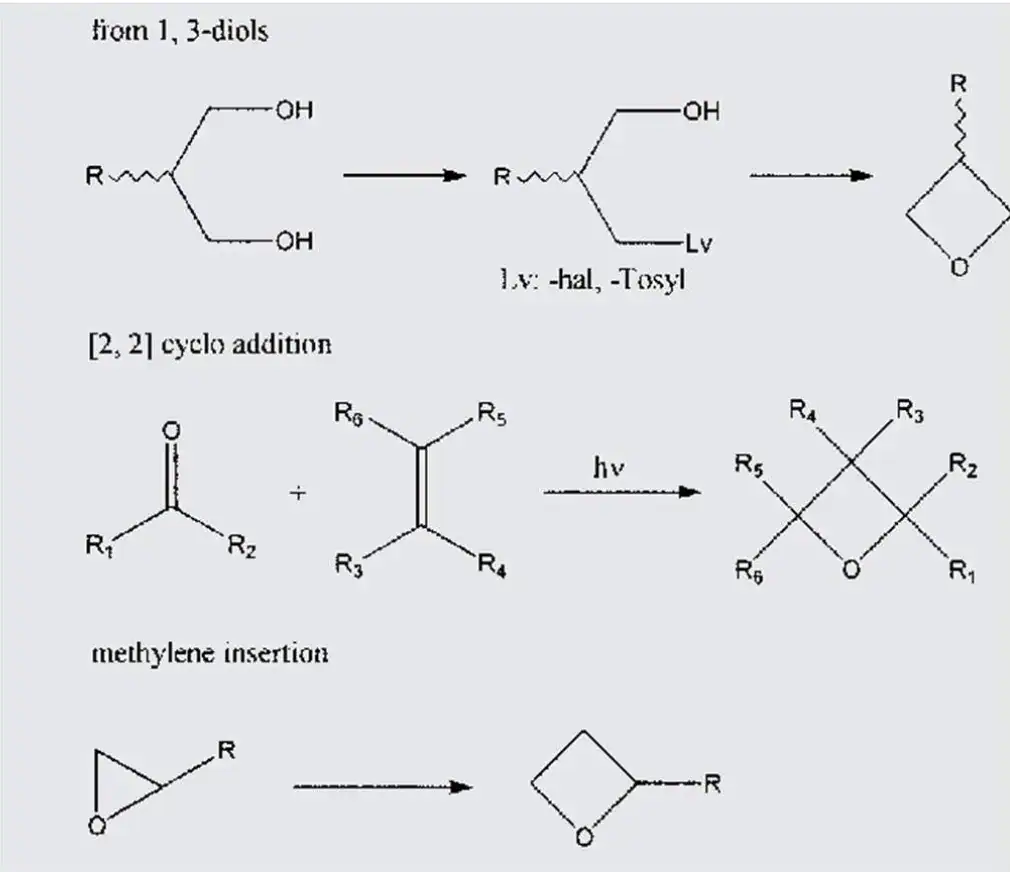
Photocuring technology has become an important method for producing high-performance polymeric materials because it enables rapid, solvent-free curing through light-induced crosslinking reactions. Compared with conventional thermal curing processes, photocuring systems offer several advantages, including lower energy consumption, reduced waste generation, room-temperature processing, and improved productivity. Among photocuring technologies, photo-cationic curing systems have attracted significant interest because they are less sensitive to oxygen inhibition than free-radical systems and can polymerize a wide range of cyclic ether and vinyl monomers. Epoxy-based materials have traditionally been the primary candidates for photo-cationic applications; however, their relatively low polymerization rates and limited curability can restrict practical performance. To overcome these limitations, researchers have investigated oxetane compounds, four-membered cyclic ethers that possess ring strain comparable to epoxides but exhibit higher basicity and potentially greater reactivity in cationic ring-opening polymerization. This paper examines the synthesis, polymerization behavior, and applications of oxetane-containing compounds in photo-cationic curing systems, highlighting their potential to enhance curing speed, material properties, and the development of advanced photocurable materials.